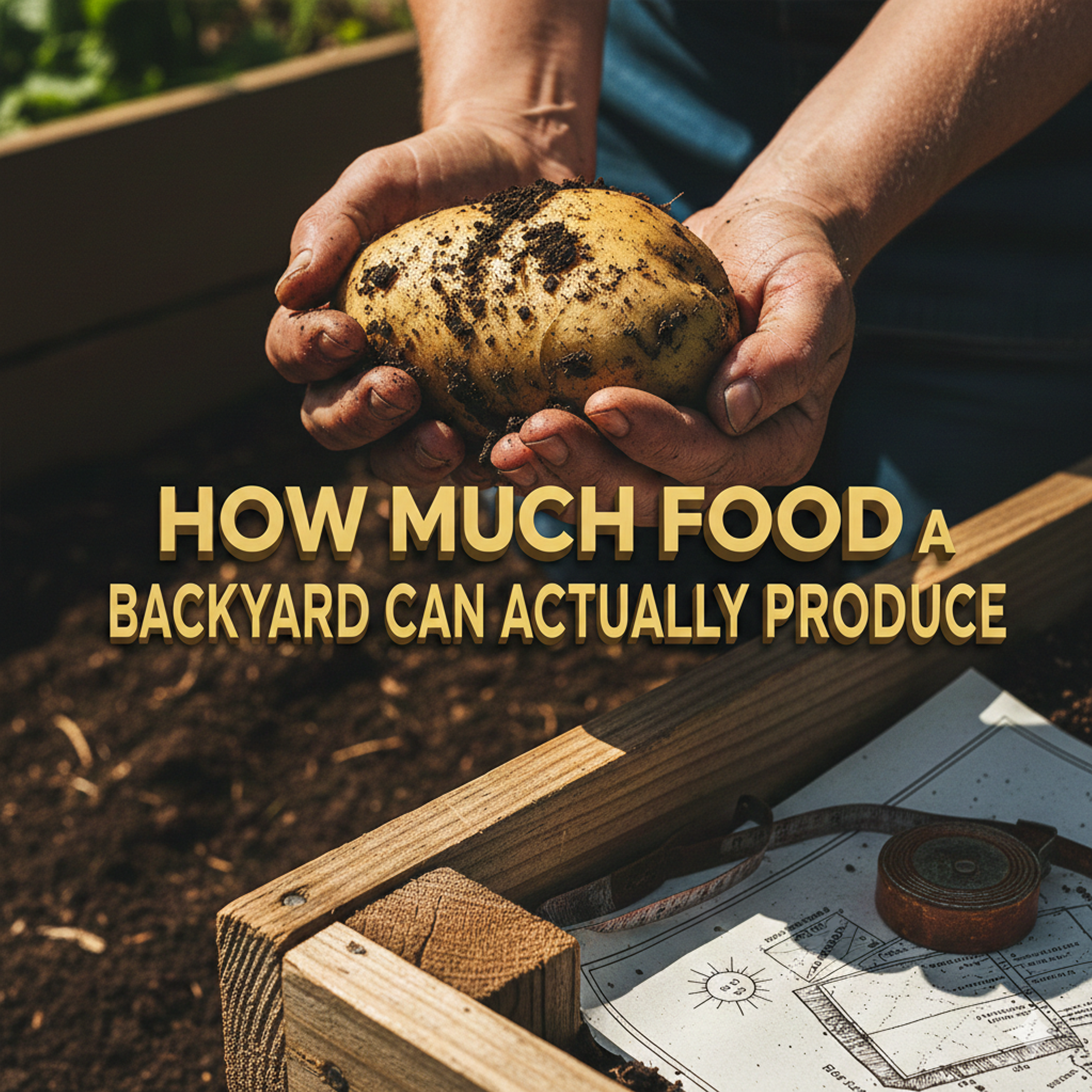
Can you actually feed your family using nothing but a standard suburban backyard? In this comprehensive homesteading field guide, we break down the cold, hard math of calorie-dense gardening and reveal how a modest patch of grass can be transformed into a high-output food factory. Most people assume self-reliance requires massive acreage and expensive machinery, but we prove that with the right infrastructure and a "Why-driven" strategy, your backyard can provide a significant safety net against rising grocery costs and supply chain instability. This episode dives deep into the essential "heavy hitter" crops like potatoes, squash, and beans that offer the highest nutritional return per square foot, moving beyond the hobby garden and into the realm of true capability.
We walk you through a step-by-step workflow for building a permanent food system, from conducting a safety-first soil audit to installing water management systems like rain barrels and soaker hoses. You will learn the infrastructure secrets of the pros, including why narrow four-foot raised beds are the golden rule for soil health and how vertical growing can effectively double your acreage. We also tackle the "Harvest Realignment," teaching you the vital rhythm of succession planting to ensure your pantry stays full from the first thaw of spring through the depths of winter. Whether you are a beginner looking to break ground or an experienced gardener wanting to maximize your yield, this guide provides the tools, materials, and checks you need to turn your lawn into a legacy of self-sufficiency.
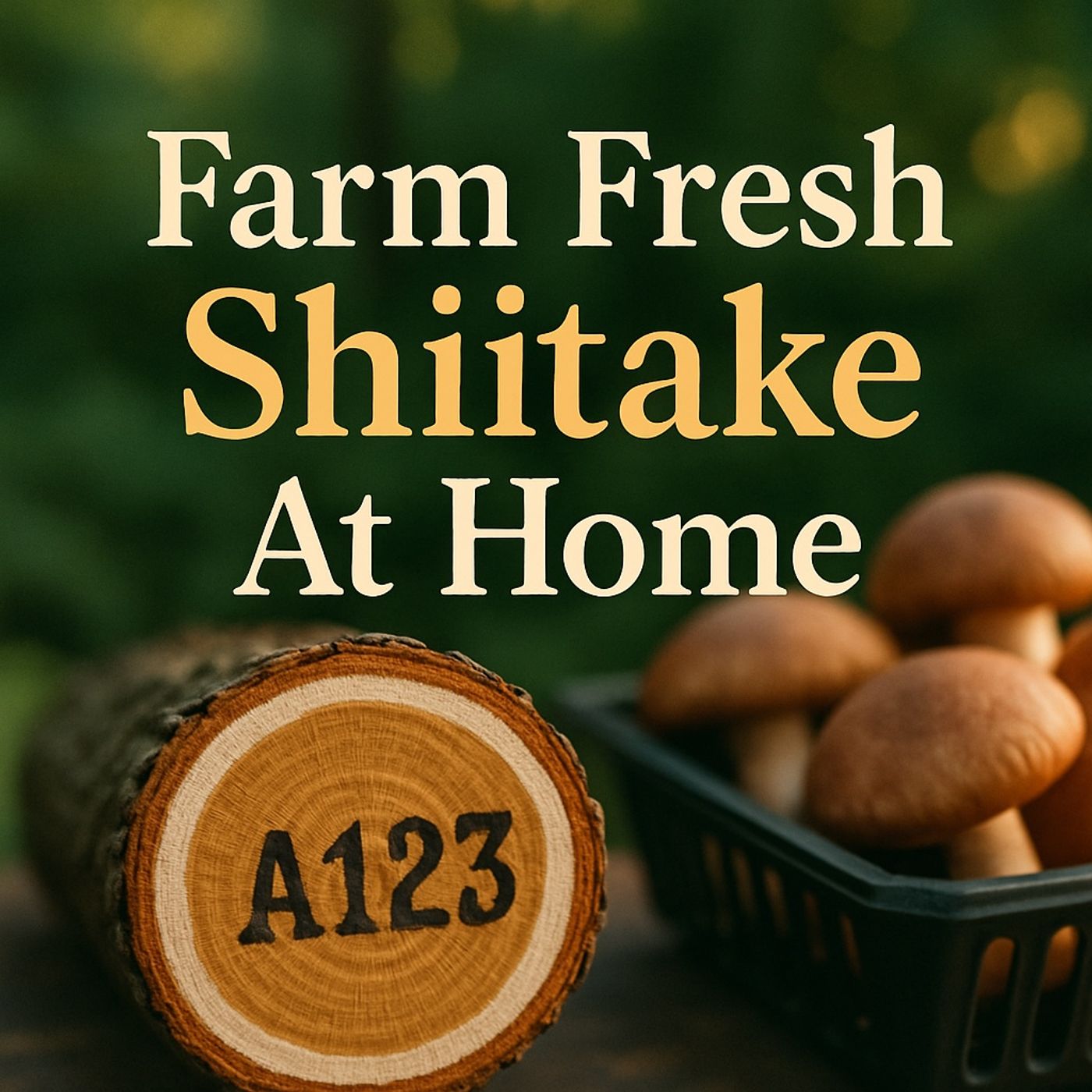
Welcome to this episode of Farm Fresh Homestead, where we explore transforming shiitake logs into a sustainable backyard harvest! Discover the art of backyard...
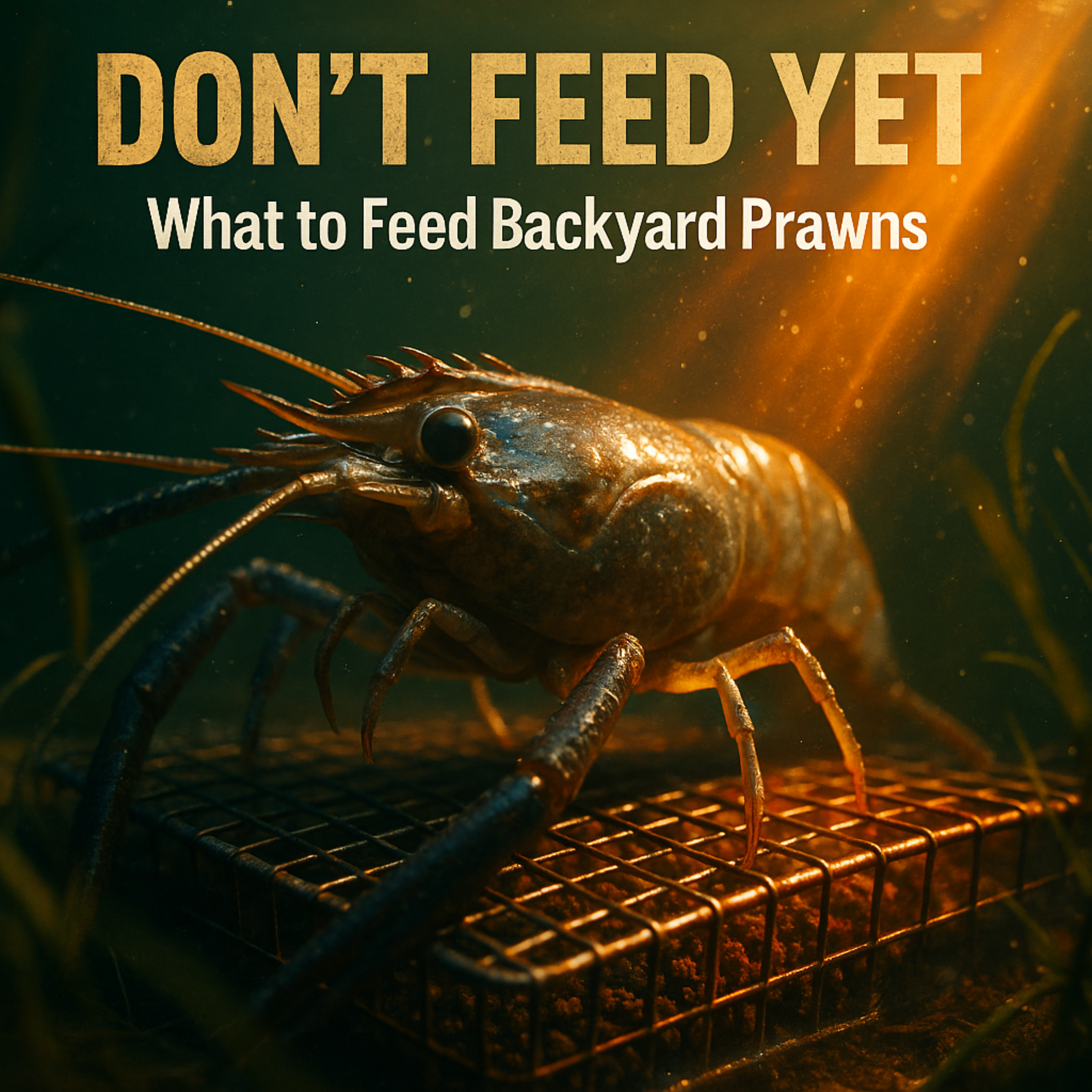
Most backyard prawn farmers lose their first batch for the exact same reason — not disease, not predators, but a feeding mistake that quietly...
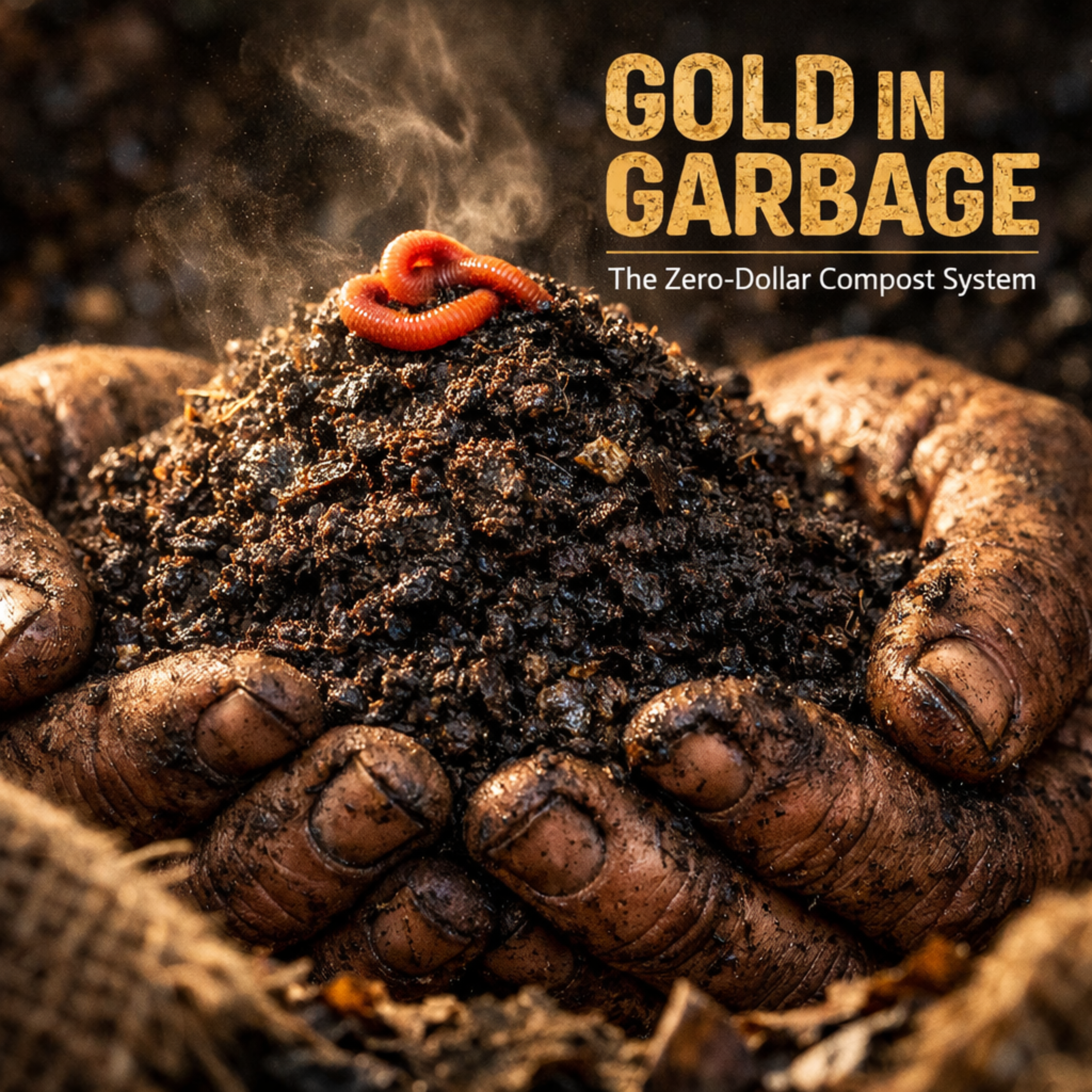
This is your primary long-form description, built for platform algorithms, Google indexing, and core audience targeting. Use it in full for ebook listings, audiobook...